
Health
Infant’s death linked to measles outbreak in southwest Wisconsin
By Marcus Chen
Advertisement · Why this ad?
Katherine oversees editorial operations across all six brands. Before joining The Meridan Group, she spent 14 years at the Minneapolis Star Tribune, where she led the metro desk through its digital transformation. She holds a Master's in Journalism from Northwestern's Medill School.
More from Katherine →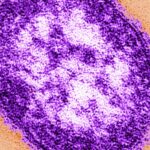
The tragedy of an infant's death in connection with Wisconsin's ongoing measles outbreak has sent shockwaves through the state, marking the first such fatality in over 35 years. This news comes as the state grapples with its largest measles outbreak in more than three decades, with 431 cases reported as of Thursday. The event underscores a broader national concern, as it represents the third measles-related death in the US this week, highlighting a resurgence of a disease once considered eliminated.
Measles is a highly contagious viral disease that can cause serious complications, including pneumonia, encephalitis (brain swelling), and even death. While the disease was declared eliminated in the US in 2000 thanks to widespread vaccination, recent years have seen a concerning decline in vaccination rates, creating opportunities for outbreaks to occur. Wisconsin, like many states, has faced challenges in maintaining high vaccination coverage, contributing to the current crisis.
The state's rural landscape and pockets of vaccine hesitancy have exacerbated the situation. Grant, Iowa, Lafayette, and Vernon counties, located in southwest Wisconsin, have been particularly hard hit. These counties often have lower vaccination rates compared to more urban areas, making them more vulnerable to outbreaks. Understanding the specific reasons for vaccine hesitancy in these communities – which can range from misinformation to logistical barriers – is crucial for developing targeted outreach and education efforts.
The southwest Wisconsin counties experiencing the brunt of the outbreak are characterized by tight-knit communities and a strong agricultural tradition. The outbreak has disrupted daily life, with school closures and public health warnings becoming commonplace. Local businesses have also been impacted as people avoid public gatherings. The death of an infant, someone so integral to a small community, is devastating and will undoubtedly leave a lasting impact on the region's emotional well-being.
The Wisconsin Department of Health Services (DHS) confirmed the death, stating that the coroner listed measles as the immediate cause of death. However, to respect the family's privacy, no further details were released. This tragic event underscores the severity of the measles virus, which can lead to serious complications and even death, especially in young children and those with compromised immune systems. The fact that measles was listed as the cause of death highlights the potential for severe consequences when vaccination is lacking.
Wisconsin's measles outbreak has been particularly concerning due to the number of unvaccinated individuals involved. Since August 1, the state has seen over 99% of cases in people who are unvaccinated, highlighting the critical importance of vaccination in preventing outbreaks. This statistic isn’t just a number; it represents a failure to protect vulnerable individuals and a breakdown in community immunity.
The MMR (measles, mumps, and rubella) vaccine is remarkably effective, preventing measles in approximately 97% of people who receive two doses. The two-dose schedule is crucial because a single dose doesn't always provide complete immunity. The decline in vaccination rates isn't solely about outright refusal; it also includes missed doses due to logistical issues, parental forgetfulness, or lack of access to healthcare. Addressing these barriers is essential for improving vaccination coverage.
The news of the infant's death has elicited a strong emotional response from the community. Local residents and health professionals are deeply concerned about the ongoing outbreak and its potential impact on public health. Many are calling for a renewed focus on vaccination and public education campaigns to prevent further spread of the virus. The tragedy has also sparked conversations about the role of social media and online platforms in spreading misinformation about vaccines.
Wisconsin Public Radio reported that the outbreak has affected 13 counties, with the majority of cases linked to residents of Grant, Iowa, Lafayette, and Vernon counties. The remaining cases have been linked to individuals who contracted measles during travel outside the state. Nine people have required hospitalization due to severe symptoms from measles, emphasizing the seriousness of the situation. The fact that some cases involved international travel underscores the global nature of disease transmission and the importance of maintaining high vaccination rates to protect both domestic and international travelers.
Combating vaccine hesitancy requires a nuanced approach. Simply presenting scientific data often isn't enough to sway those who have already formed strong beliefs. Health officials need to engage in open and honest conversations, addressing concerns with empathy and providing accurate information from trusted sources. Community leaders, faith-based organizations, and healthcare providers all have a vital role to play in building trust and promoting vaccination.
The state’s efforts to deliver 2,000 doses of the MMR vaccine to local health departments in affected communities is a positive step, but it’s only one piece of the puzzle. Long-term solutions require sustained funding for public health programs, including vaccination outreach, education campaigns, and infrastructure to support vaccine administration. Furthermore, addressing systemic inequities in access to healthcare is crucial for ensuring that all communities have the opportunity to protect themselves and their children.
State health officials are urging residents to check their vaccination status through the state’s online registry or with their medical provider. Since August 1, over 42,000 doses of the MMR vaccine have been administered, showing some progress in addressing the outbreak. However, more work is needed to ensure widespread immunity.
The state continues to monitor the situation closely and is working to contain the outbreak. Health officials are delivering 2,000 doses of the MMR vaccine to local health departments in affected communities, with the goal of improving vaccination rates and preventing further spread. Contact tracing remains a critical component of outbreak control, allowing health officials to identify and isolate infected individuals and prevent further transmission.
Wisconsin Public Radio's 'Wisconsin Today' newsletter highlights the ongoing efforts to address the outbreak, emphasizing the importance of community cooperation and vigilance. The state is also investigating potential cases of measles in other areas to ensure a comprehensive response. Looking ahead, a thorough review of the state’s vaccination programs and public health infrastructure will be necessary to identify areas for improvement and prevent future outbreaks.
The death of an infant due to measles is a stark reminder of the importance of vaccination and the critical role it plays in protecting our communities. As we continue to navigate this outbreak, it is essential for all Wisconsinites to evaluate their risk and take steps to protect themselves and their families. Vaccination is not just an individual choice; it is a collective responsibility that can prevent the spread of preventable diseases. Let us use this tragedy as a call to action, reinforcing the values of strong marriages, intact families, and authentic faith in our community.
It is crucial for parents to ensure their children are fully vaccinated, especially during this critical time. We must work together to maintain high vaccination rates and prevent future outbreaks. The American dream of stable, loving households depends on our commitment to public health and the well-being of our neighbors. This tragedy should also prompt a broader societal conversation about the dangers of misinformation and the importance of relying on credible sources of information when making decisions about health.
By Marcus Chen
By Marcus Chen
By Katherine Langford
By Katherine Langford