
Community
NFL Week 9 winners and losers: Calm before trade deadline storm?
By Marcus Chen
Advertisement · Why this ad?
Marcus manages the day-to-day editorial workflow across all brands, coordinating coverage assignments and ensuring editorial standards are met. He previously served as city editor at the Pioneer Press and holds a degree in Political Science from Carleton College.
More from Marcus →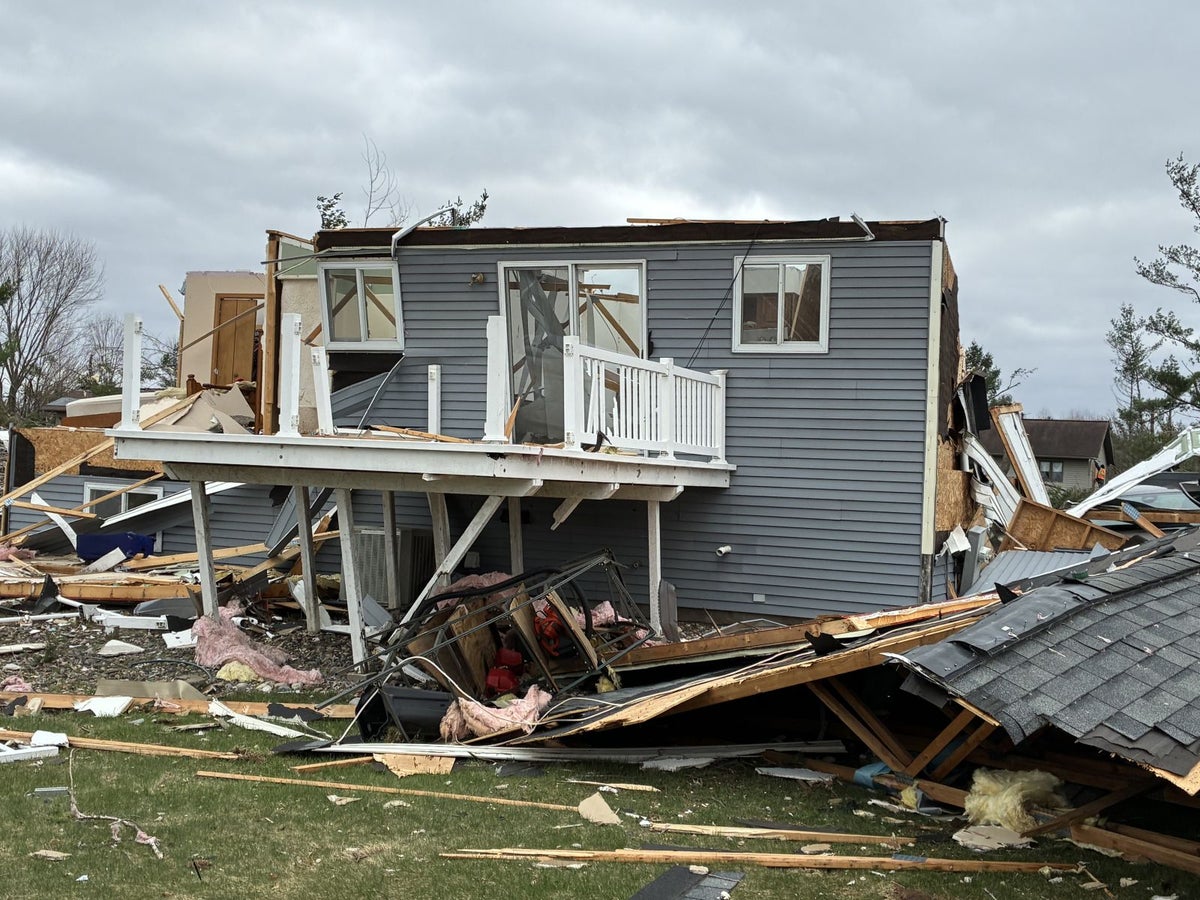
Almost seven months have passed since a devastating tornado tore through the small community of Ringle, but the needs for recovery are still high. The Community Foundation of North Central Wisconsin was one of multiple nonprofits responding to the tornado. It has handed out thousands of dollars in grants to community clean-up operations, homeowners paying bills and helping residents of the Wausau-area community find temporary housing. Even with federal support from FEMA, insurance coverage and thousands of dollars in donations, leaders of the Community Foundation said they’re still trying to help local residents find housing, fix roofs and stabilize homes. Understanding Wisconsin, Together. WPR’s “Wisconsin Today” newsletter keeps you connected to the state you love without feeling overwhelmed. No paywall. No agenda. No corporate filter. X/Twitter This field is for validation purposes and should be left unchanged. Email Subscribe Because of the time emergency recovery takes, a number of families are only now starting to truly understand what repairs are covered by insurance or federal grants, according to Elizabeth Robinson, a market manager with the Community Foundation. She said as the community moves further from the disaster, the needs are changing. In all, the Community Foundation received over $455,000 from 882 donors, set aside into a specific fund just for tornado response. Since April, they’ve handed out funds for roof repair, gaps in insurance, housing and food. “It might look like we have raised a lot of money here with almost half a million, but that goes so quickly when we’re talking about rebuilding homes,” Robinson said. Community Foundation funds paid for many aspects of recovery from dumpsters to fuel for equipment working to clean rubble. But, the largest portion of money went to individuals — over $243,000. Each household was eligible for up to $4,000, said Community Foundation CEO Tim Parker. The money could go to anything from clothing, medical needs, replacement of basic necessities, temporary lodging or transportation. FEMA dollars, nonprofit support and county funding also helped to stabilize the town after the disaster. The town of Ringle website lists multiple support programs for those affected across the area. Because there had been a disaster declaration over the tornado, Parker said the foundation was able to make distributions directly to individuals. “Even though our check sizes have been small, I think they really have helped make a difference for them immediately,” Parker said. “Within a month, I think, we were cutting our first checks to people.” “Insurance seems to be one of the bigger, especially financial, challenges for people,” Parker said. Some residents have told Community Foundation members they found their insurance did not award them enough to rebuild their homes. In others, the insurance payout for repairing a roof destroyed by a tornado is only a small fraction of the overall cost. “To come up with an extra $30,000 out of your pocket to have a roof on your house is really difficult, and that affects every aspect of your life,” Parker said. Robinson said she knew of cases where people had to buy or rent new homes as a result of the damage. “And finding affordable housing can be really challenging,” Robinson said. “If they have rentals and insurance pays for the rental for maybe a year, they’re trying to figure out where they go from here.” “We have one individual whose rental coverage from the disaster is expiring, and they don’t know where they’re going to live,” Parker said. “ It’s hard to find rental units that will take them — and that they can afford.” Unexpected challenges came from residents with multiple pets, she said. Ringle is a rural community, with plenty of space. Housing options in nearby Weston or Wausau may not always permit them to bring their furry friends. Another growing need is mental health support, Parker said. The impact of losing homes and finances are starting to make an impact on some. Rural response, future preparations Ringle also faces another challenge in emergency recovery support, according to Parker, as a rural community with a relatively little infrastructure. He compared the response to the devastating tornado that hit Menasha in July . “That’s a very densely populated community, so that recovery effort is going to look very different from ours,” Parker said. While the Last Dollars fund is focused on the people of Ringle, Robinson and Parker agreed there was something to learn from the tornado — to prepare and have local funds ready to be deployed during the next disaster in central Wisconsin. “We need to figure out how to be better prepared because we saw just how many floods and tornados hit our state this year,” Parker said. “It’s not a matter of if it happens, it’s when it happens.” Wisconsin Public Radio, © Copyright 2026, Board of Regents of the University of Wisconsin System and Wisconsin Educational Communications Board. Related Stories FEMA in Menasha to offer help navigating federal aid process after Fox Valley tornado 100 homes in 100 days: Menasha volunteers to fix tornado damage before winter Volunteers helping restore and return photos and heirlooms lost in Menasha tornado Here is how people are helping those impacted by tornado that ripped through Menasha area Belleville hit with property damage after tornado
By Marcus Chen
By Katherine Langford
By Katherine Langford

By Marcus Chen