
Health
Letter | County needs to shell out for mental health provider
By Katherine Langford
Advertisement · Why this ad?
Marcus manages the day-to-day editorial workflow across all brands, coordinating coverage assignments and ensuring editorial standards are met. He previously served as city editor at the Pioneer Press and holds a degree in Political Science from Carleton College.
More from Marcus →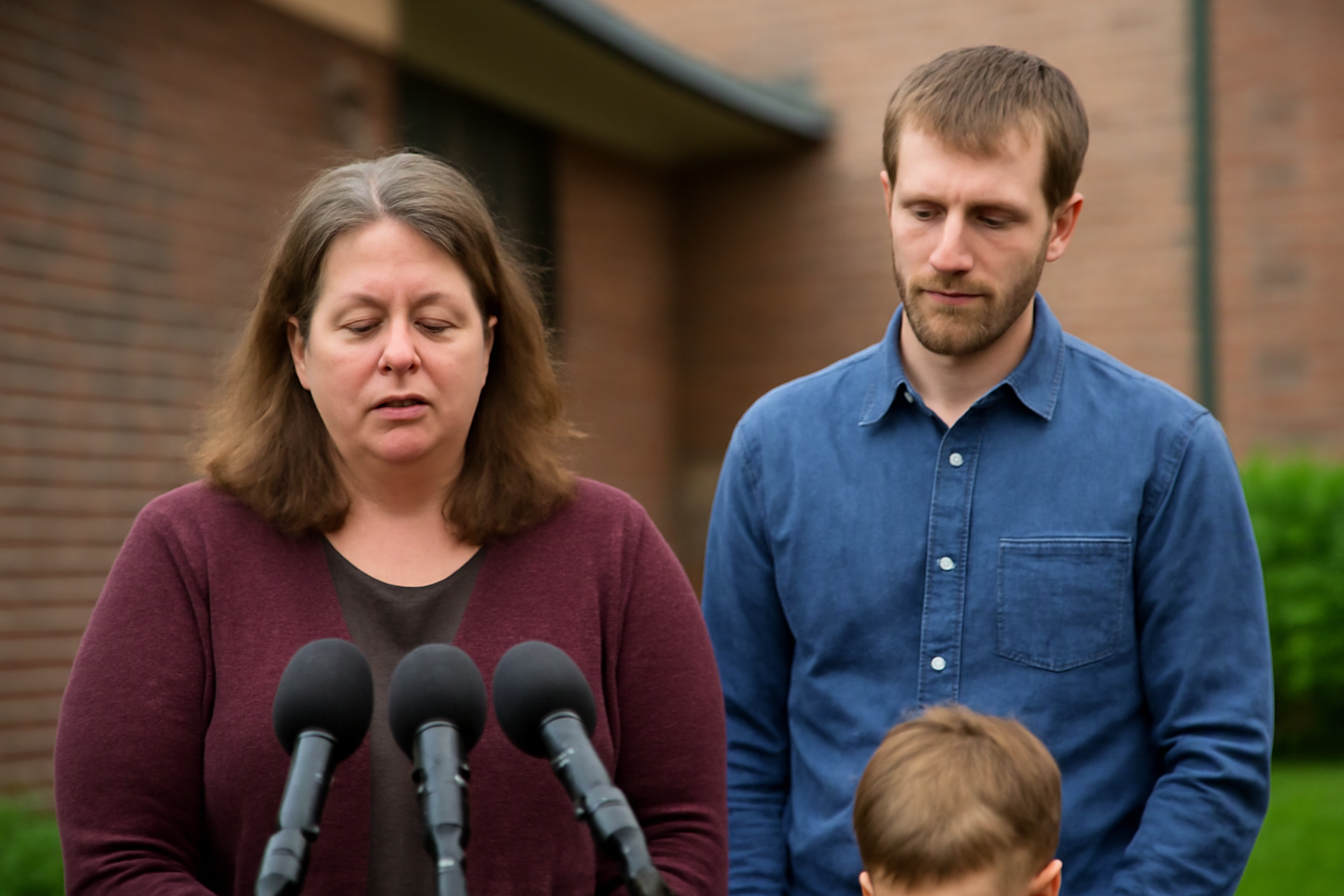
In the quiet town of Grant County, a mother clutches her infant’s tiny hand, overwhelmed by grief and fear. The child, just months old, succumbed to measles—a tragedy that has shaken Wisconsin’s tight-knit communities and reignited fears of vaccine-preventable diseases. This heartbreaking loss marks the first measles-related death in Wisconsin in over three decades, underscoring the seriousness of the ongoing outbreak.
Wisconsin health officials confirmed the infant’s death was directly linked to the current measles outbreak sweeping through southwestern counties. The Wisconsin Department of Health Services (DHS) announced that the coroner listed measles as the immediate cause of death, though no additional details were released to protect the family’s privacy. As of Tuesday, the state reported 431 cases across 13 counties, the highest in more than 35 years, with the majority concentrated in Grant, Iowa, Lafayette, and Vernon counties.
The outbreak’s scope extends beyond local borders, with some cases traced back to residents infected during travel out of state. Nine individuals, mostly children under five, have required hospitalization for severe symptoms, including pneumonia and brain swelling. Over 99% of the cases involve unvaccinated individuals, highlighting the critical role of immunization in preventing such tragedies.
The community’s response has been a mixture of concern, frustration, and a call for action. Local parents express fear that misinformation and vaccine hesitancy are fueling the outbreak, risking lives of vulnerable children. “We need to come together and ensure our kids are protected,” said Sarah Miller, a mother of three from Viroqua. “It’s heartbreaking to see a child suffer—and worse, to lose one.”
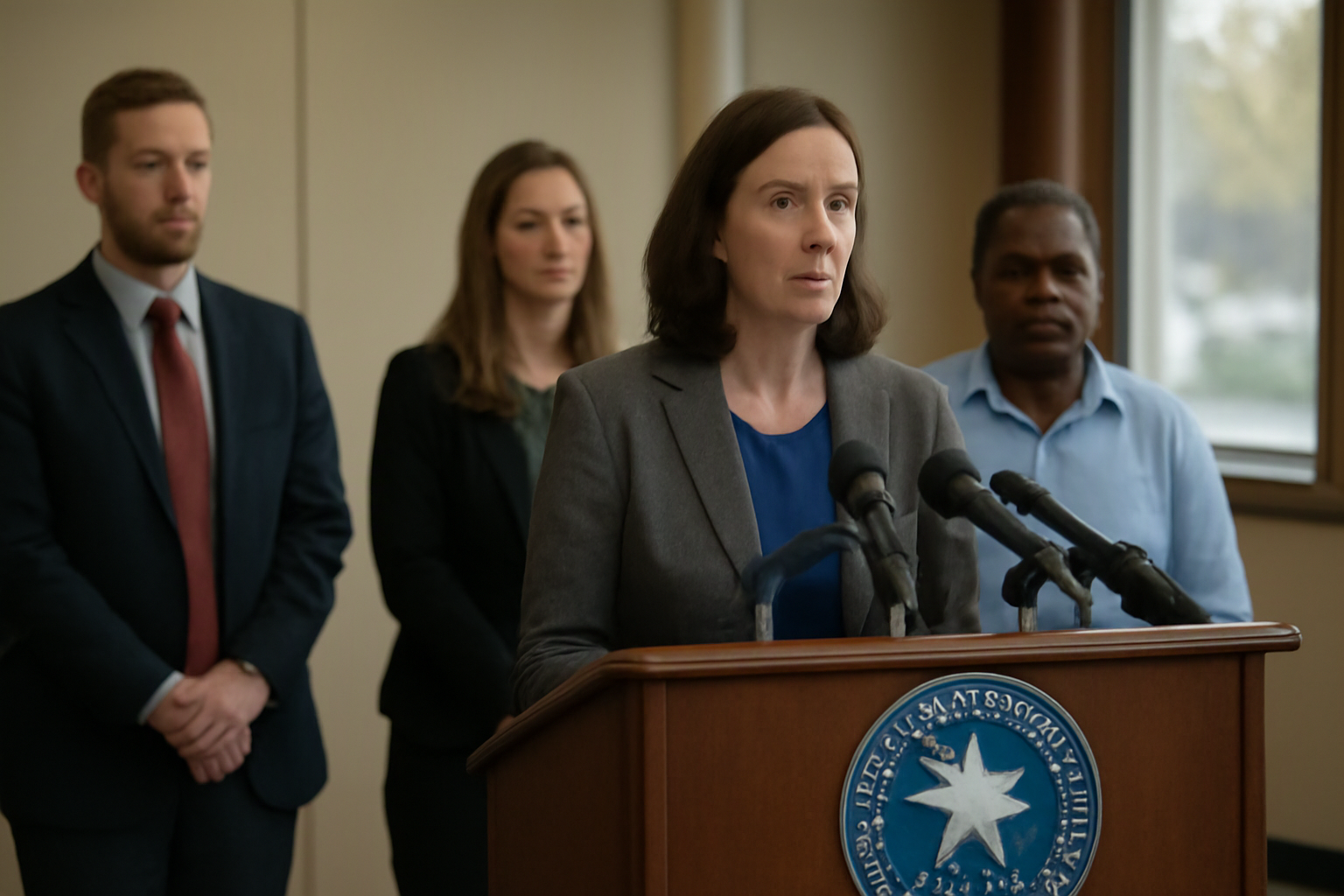
Public health officials emphasize that the MMR vaccine is 97% effective at preventing measles when the recommended two doses are completed. Yet, vaccination rates in Wisconsin remain below the threshold needed for herd immunity, partly due to misinformation and religious or philosophical exemptions. DHS Secretary Kirsten Johnson called the recent death “a tragic reminder” of the importance of vaccination, urging residents to check their immunization status through the state’s online registry or with their healthcare providers.
Since August 1, the state has administered over 42,000 doses of the MMR vaccine, including 2,000 doses delivered specifically to affected communities. These efforts are part of a broader strategy to contain the outbreak and protect the most vulnerable, especially young children and pregnant women, who face higher risks of severe complications from measles.
For families in the affected counties, the outbreak has disrupted daily life. Schools have ramped up vaccination campaigns, urging parents to immunize their children and prevent further spread. “We’re doing everything we can to keep our students safe,” said Superintendent Mark Evans of the Viroqua School District. “But the reality is, the best protection is vaccination.”
Many parents are now reevaluating their children’s immunization plans, driven by the tragic death and rising case counts. Faith communities are also stepping in, emphasizing the importance of responsible stewardship of health and the value of strong families rooted in faith and commitment. “Our community believes in caring for each other,” shared Pastor James Carter of First Baptist Church in La Crosse. “Vaccination is part of that care.”
State health officials remain cautiously optimistic that increased vaccination efforts will slow the outbreak. The Department of Health Services plans to continue distributing vaccines and conducting outreach, especially targeting hesitant populations. Experts warn that if vaccination rates do not improve, Wisconsin could face a prolonged battle with measles, risking more lives and straining healthcare resources.
Residents are encouraged to stay informed through trusted sources such as the Wisconsin DHS website and to consult their healthcare providers about immunizations. The tragic death serves as a stark reminder that measles is not just a childhood illness but a serious threat that can take lives—especially the most vulnerable among us. As communities rally to protect their children, the hope remains that faith in science and community commitment will turn the tide against this preventable disease.
Wisconsin’s vaccination rates have historically fluctuated, often influenced by local cultural attitudes, access to healthcare, and misinformation campaigns. In some rural areas, including parts of Grant and Lafayette counties, vaccination coverage is notably lower than the state average. This disparity has long been a concern among public health officials, who warn that pockets of unvaccinated populations can serve as tinder for outbreaks.
Local health clinics and community organizations have been working tirelessly to address these gaps. The Wisconsin Department of Health Services has partnered with local churches, schools, and community centers to hold vaccination clinics, informational sessions, and outreach programs. These efforts aim to build trust and dispel myths about vaccines, especially in communities where skepticism persists.
One notable challenge is the influence of misinformation spread through social media and word of mouth, which often fuels vaccine hesitancy. Some parents cite religious or philosophical beliefs as reasons for refusing vaccination, despite medical evidence supporting its safety and efficacy. Public health officials emphasize that the benefits of immunization far outweigh the minimal risks, and that vaccination is a community responsibility that protects everyone, especially those who cannot be vaccinated due to age or health conditions.
Among the most vulnerable are children under five, pregnant women, and individuals with compromised immune systems. In Wisconsin, the infant who died had not yet received the full MMR vaccination series, which is typically administered at 12 to 15 months. The tragedy underscores the importance of herd immunity—when enough people are vaccinated to prevent the spread of disease.
Local pediatricians, such as Dr. Emily Carter at La Crosse Pediatrics, have been vocal in urging families to vaccinate their children. “Every unvaccinated child is a potential link in the chain of transmission,” she explained. “We’re seeing the devastating consequences firsthand now, and it’s heartbreaking.”
Looking ahead, Wisconsin’s health officials are doubling down on vaccination campaigns and community outreach. The state plans to distribute more doses of the MMR vaccine, especially targeting areas with low coverage. They are also exploring mobile vaccination units to reach remote or hesitant populations who may not have easy access to clinics.
In addition, public health leaders are calling for renewed efforts to combat misinformation and increase awareness about the importance of vaccination. Schools are being encouraged to verify immunization records and to hold vaccination clinics during the upcoming semester. Policymakers are also debating whether to tighten exemptions for vaccination, aiming to bolster herd immunity and prevent future outbreaks.
The community’s resilience and collective action will be critical in overcoming this outbreak. The tragic death of the infant has galvanized many to reconsider their stance on vaccination, and it has reinforced the message that protecting children from preventable diseases is a shared responsibility.
As Wisconsin moves forward, the hope is that this heartbreaking loss will serve as a catalyst for stronger immunization efforts, greater community engagement, and a renewed commitment to public health. The fight against measles is far from over, but with coordinated action and community solidarity, Wisconsin can turn the tide and prevent future tragedies.
By Katherine Langford
By Katherine Langford

By Katherine Langford

By Marcus Chen